
Why Maintaining Your Chevrolet is Critical for Local Roads
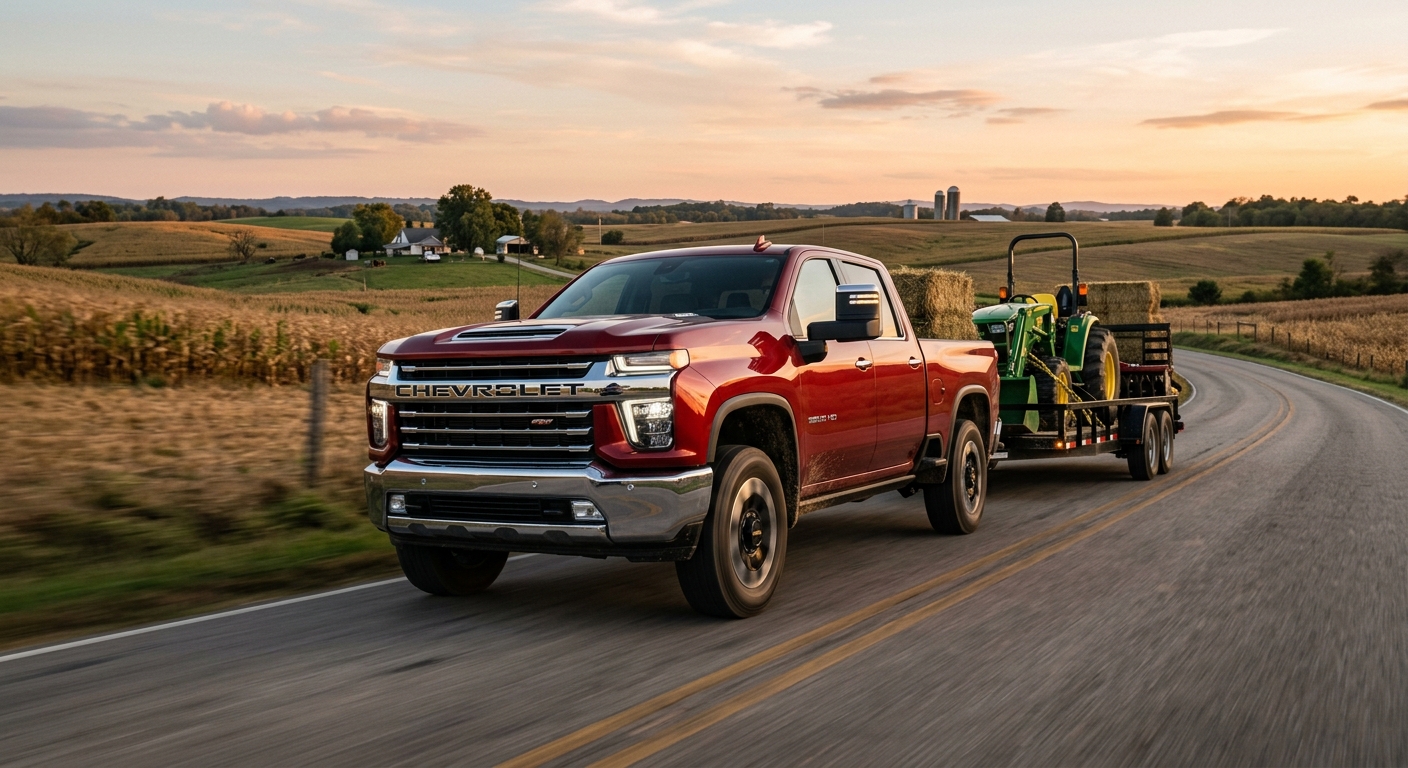
Operating a vehicle on the diverse roads of western Kentucky demands consistent mechanical vigilance. In areas like Central City, where agricultural operations and mining heritage shape the daily landscape, vehicles frequently haul heavy loads across flatlands and rolling hills. These demanding tasks place substantial stress on internal engine components, transmission systems, and suspension parts. Regular upkeep prevents minor wear from escalating into severe mechanical failures that could disrupt daily work routines.
Owners seeking professional guidance can find support at our dealership showroom. For those who prefer to plan ahead, getting in touch with our service department via (270) 713-3840 provides direct access to factory-trained technicians. Drivers can also easily navigate to our physical location in Russellville to discuss preventative maintenance packages. To discover more about our team and how we support local vehicle longevity, visiting our dedicated information page is an excellent starting point.
Table of Contents
- How Skipping Oil Changes Impacts Your Chevrolet Factory Warranty
- The Science Behind the Chevrolet Oil Life Monitoring System
- Why Genuine ACDelco Parts Matter for Long-Term Engine Health
- Milestone by Milestone: The Recommended Chevrolet Maintenance Schedule
- What Happens During a Certified Chevrolet Multi-Point Inspection
- Common Longevity and Warranty Questions for Chevrolet Owners
- Schedule Your Next Certified Chevrolet Service
How Skipping Oil Changes Impacts Your Chevrolet Factory Warranty
Does skipping a single oil change immediately cancel your vehicle’s warranty protection? This is a common point of confusion for many drivers. The straightforward answer is that Chevrolet will not arbitrarily void your entire warranty coverage simply because a service date was missed. However, if a mechanical component fails and technicians determine that oil sludge, starvation, or neglected maintenance caused the damage, the manufacturer will deny that specific repair claim.
A new Chevrolet is protected by two primary factory warranties. The Bumper-to-Bumper Limited Warranty covers the majority of vehicle components for 3 years or 36,000 miles, protecting against defects in materials and workmanship. For deeper mechanical protection, the Powertrain Limited Warranty covers the engine, transmission, and drive systems for 5 years or 60,000 miles. Both coverages require the vehicle owner to perform regular scheduled maintenance as outlined in the owner’s manual.
When a vehicle is brought in for engine repairs under warranty, the manufacturer often requests documentation proving that regular oil changes were completed. If an owner cannot produce these records, or if the internal engine damage clearly points to neglected oil, the owner must pay for the repairs out of pocket. To avoid this costly scenario, owners should schedule a service appointment online at the first sign of a required oil change. Maintaining a documented service history is the single best way to protect your factory warranty.
For drivers currently looking to transition into a highly capable and warrantied vehicle, checking out a new Chevrolet Trailblazer offers modern efficiency and updated manufacturer coverage. Alternatively, those shopping on a budget can explore our selection of used vehicles priced under $30,000 to find reliable transportation that fits their financial plan.
The Science Behind the Chevrolet Oil Life Monitoring System
Modern engine protection relies on sophisticated software rather than the outdated practice of changing oil strictly by mileage. The proprietary Oil Life Monitoring System built into modern Chevrolet vehicles uses an advanced algorithm to track real-time driving conditions. Instead of relying on a simple mechanical odometer, this system analyzes engine temperature, operating hours, and driving habits to calculate the precise rate of oil degradation.
Under ideal driving conditions, such as steady highway cruising, the system typically signals the need for an oil change at around 7,500 miles. Conversely, frequent short trips, cold starts, and prolonged idling accelerate oil breakdown, causing the system to trigger an alert much sooner. This technology ensures that the engine receives fresh lubricant exactly when needed, maximizing both performance and overall engine lifespan.
Drivers can explore this advanced technology firsthand by viewing the complete Chevrolet model showroom. Those interested in compact versatility can research a new Chevrolet Trax, while buyers needing heavy-duty capability can look through our inventory of pre-owned trucks.
Why Genuine ACDelco Parts Matter for Long-Term Engine Health
Some vehicle owners assume that all replacement parts are manufactured to the same standards, but using generic components can compromise engine performance. Chevrolet vehicles are engineered to operate with genuine ACDelco parts, which serve as the Original Equipment components. These parts are designed to meet exact factory tolerances, ensuring perfect physical fitment and seamless integration with the vehicle’s electronic sensors.
Using aftermarket oil filters or engine components can lead to subtle mismatches that reduce oil flow or allow microscopic contaminants to bypass the filtration system. Over time, these minor deficiencies accelerate internal engine wear and can trigger diagnostic trouble codes. Furthermore, if an aftermarket part fails and causes damage to surrounding engine components, the resulting repairs are typically excluded from warranty coverage.
To safeguard a vehicle’s mechanical integrity, owners can order authentic parts online directly from our specialized department. This is particularly vital for heavy-duty vehicles like the Chevrolet Silverado 2500, which require heavy-duty components to manage demanding payloads. For those interested in family-sized vehicles, we also maintain an excellent selection of used SUVs equipped with reliable factory components.
Milestone by Milestone: The Recommended Chevrolet Maintenance Schedule
A vehicle’s maintenance needs change as it accumulates miles, requiring a structured approach to preventative care. For drivers commuting near Glasgow who frequently travel to Barren River Lake for weekend boating, towing shifts the vehicle into a severe operating schedule. Under these demanding conditions, more frequent fluid checks and earlier wear-item replacements keep the powertrain operating safely.
The baseline service occurs at a 7,500-mile service interval, which includes an engine oil and filter change, tire rotation, and a comprehensive multi-point inspection. At 15,000 miles, technicians inspect the braking system and replace the cabin air filter to maintain clean interior air quality. By 22,500 miles, the engine air filter requires replacement to ensure optimal air intake. For heavy-duty applications, such as a 3.0L Duramax Turbo-Diesel engine, this milestone also requires a fresh fuel filter and regular water separator service to protect the high-pressure fuel system.
Longer-term maintenance milestones occur at 100,000 miles, when spark plugs are scheduled for replacement alongside a complete flush of the DEX-COOL engine coolant. Drivers can browse our new vehicle inventory to find models equipped with these long-lasting engineering features. Those looking for maximum capability can check out a heavy-duty Chevrolet Silverado HD. While we previously offered electric alternatives, please note that the federal clean vehicle tax credits officially ended on September 30, 2025, under Public Law 119-21, meaning new acquisitions of models like an all-electric Chevrolet Bolt EUV no longer qualify for these federal incentives.
What Happens During a Certified Chevrolet Multi-Point Inspection
A certified multi-point inspection serves as a preventative diagnostic tool to identify potential mechanical issues before they lead to breakdowns. During this comprehensive evaluation, factory-trained technicians systematically assess critical vehicle systems using a color-coded rating scale. This process covers fluid levels, tire tread depth, brake pad wear, battery health, and the physical condition of belts and hoses.
By catching minor fluid leaks or worn belts early, technicians can perform targeted repairs that preserve the vehicle’s driving dynamics and fuel efficiency. This detailed inspection is standard practice during every scheduled oil change, providing owners with a clear report card on their vehicle’s physical health.
Owners can explore our complete new Chevrolet inventory to see vehicles equipped with advanced diagnostic displays. For families requiring maximum space, the new Chevrolet Tahoe offers exceptional cabin room and robust performance. Commuters seeking modern efficiency can also investigate the all-electric Chevrolet Blazer EV, which benefits from simplified maintenance requirements.
Common Longevity and Warranty Questions for Chevrolet Owners
Navigating vehicle maintenance and warranty guidelines can sometimes feel complex. Whether you are driving a spacious Chevrolet Traverse, a midsize Chevrolet Blazer, or a versatile midsize Chevrolet Colorado, understanding your responsibilities as an owner is key to long-term satisfaction. Below are answers to the most common questions regarding Chevrolet warranty coverage and engine longevity.
Q: Does the Chevrolet powertrain warranty cover towing costs if my vehicle breaks down?
Yes, Chevrolet vehicles include manufacturer-backed roadside assistance that covers towing to the nearest authorized service center. Owners can contact Chevrolet Roadside Assistance: 1-800-243-8872 for immediate, professional support during an emergency.
Q: Can I have my oil changed at an independent shop without voiding the warranty?
Yes, owners are permitted to use independent service centers for routine maintenance without affecting their factory coverage. However, owners must keep highly detailed, dated receipts that specify the exact oil grade and filter used to prove the service met factory standards if a warranty claim is filed later.
Q: What happens to my factory warranty if I install an aftermarket lift kit?
The installation of aftermarket parts does not automatically void your entire vehicle warranty. However, any mechanical failures directly caused by those aftermarket modifications, or any damage to surrounding suspension and drivetrain components, will not be covered by Chevrolet.
Q: How does stop-and-go city traffic affect my oil change frequency?
Frequent stop-and-go driving, short commutes, and extended idling are classified as severe operating conditions. Under these circumstances, the engine oil degrades faster, which will cause the monitoring system to recommend an oil change sooner than the standard mileage interval.
Q: Does the warranty cover wear items like brake pads or windshield wipers?
No, standard wear-and-tear items are excluded from warranty coverage because they naturally degrade through normal driving. These components are only covered if they fail prematurely due to a documented defect in materials or manufacturing workmanship.
Schedule Your Next Certified Chevrolet Service
Keeping a vehicle in peak operating condition requires a commitment to routine preventative care. Our service department is fully equipped with advanced diagnostic technology and stocked with genuine factory parts to handle everything from rapid oil changes to complex powertrain repairs.
To begin the next service, owners can coordinate with our team by calling (270) 713-3840 or visiting visit our service center at 452 Hopkinsville Rd. For those interested in trading in their current vehicle, our online tool makes it easy to value your trade-in in just a few minutes. If you are ready to transition to a different model, feel free to browse our used vehicle inventory or apply for financing online to streamline your purchase process. We also encourage you to read our customer testimonials or learn about Newton Fastpass to discover how we are changing your dealership experience.
0 comment(s) so far on Why Maintaining Your Chevrolet is Critical for Local Roads