
Maximizing Your Chevrolet Performance with Smart Maintenance Intervals
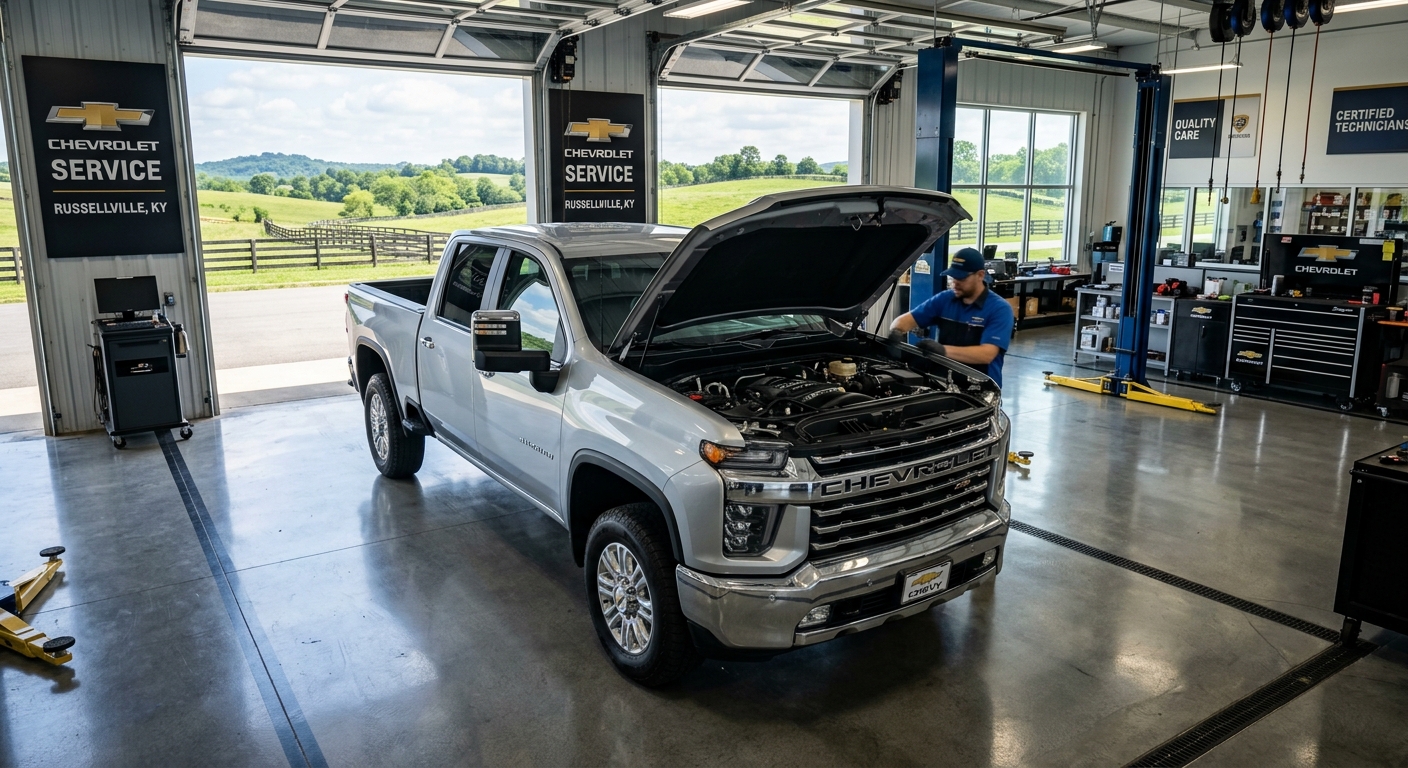
Modern engine technology has significantly changed how we approach vehicle longevity, moving away from the rigid schedules of the past toward more intelligent, usage-based care. For most current Chevrolet gasoline engines, the standard recommendation for an oil and filter change is approximately every 7,500 miles. This interval ensures that the synthetic lubricants can effectively protect internal components from heat and friction without breaking down prematurely. While some highway-heavy driving patterns might allow this to extend toward 10,000 miles, staying consistent with the 7,500-mile mark is the most reliable way to maintain peak performance.
Consistent upkeep is particularly vital for those who rely on their vehicles for work and community life. For example, the working-class families in Central City often manage a mix of agricultural tasks and long rural commutes where engine load can vary significantly. By following a structured service plan, you ensure that your powertrain remains capable of handling these diverse demands. If you are unsure of your current status, you can always schedule a service appointment to have our team verify your fluids and filters.
When you visit us for these routine check-ups, our technicians do more than just swap out the oil. We look for early signs of wear in the cooling system, belts, and hoses to prevent small issues from becoming major repairs. If you are traveling from the surrounding area and need to find us, our Russellville location is conveniently situated to serve your needs. For quick questions regarding specific synthetic oil requirements for your model, feel free to give us a quick call at (270) 713-3840.
Table of Contents
- The Technical Connection Between Oil Changes and Tire Rotations
- Should You Rotate Your Tires with Every Chevrolet Oil Change?
- How the Chevrolet Oil Life Monitoring System Impacts Your Service Schedule
- Severe Versus Normal Driving Conditions in Western Kentucky and Middle Tennessee
- What to Expect During a Professional Chevrolet Multi-Point Inspection
- Common Questions About Chevrolet Maintenance and Tire Care
- Streamline Your Preventive Maintenance at Newton Chevrolet of Russellville
The Technical Connection Between Oil Changes and Tire Rotations
While engine oil protects the heart of your vehicle, tire rotations protect the foundation. These two services are grouped together because they share a nearly identical recommended interval of 7,500 miles. On a front-wheel-drive or all-wheel-drive vehicle, the front tires bear the brunt of steering forces and braking weight, causing them to wear faster than the rear set. By moving the tires to different positions, you equalize this wear, which directly impacts your traction, fuel economy, and the overall lifespan of the rubber.
Skipping a rotation might save a few minutes during a service visit, but it often leads to “cupping” or uneven tread depth, which can cause vibrations and road noise. For those who have recently upgraded their ride by choosing from our current used vehicle inventory, maintaining this rotation cycle is the best way to protect that investment. Consistent tread wear ensures that the safety systems, such as traction control and electronic stability programs, can function exactly as the engineers intended.
If you are planning to keep your vehicle for the long haul, starting a proper maintenance habit early is key. Many buyers find that prequalifying for financing on a newer model with a fresh warranty makes staying on top of these routine costs much easier. To see how our service department operates or to check our availability for a combined oil and tire service, you can view our hours and directions before heading our way.
Should You Rotate Your Tires with Every Chevrolet Oil Change?
The most practical answer for almost every driver is yes. Because the 7,500-mile engine oil interval aligns perfectly with the recommended tire rotation frequency, combining these tasks is the most efficient way to manage your time and your vehicle’s health. Most modern Chevrolet models, including the 2.7L TurboMax and various V8 configurations, utilize dexos1-approved full synthetic oil that is designed to last the duration of this cycle. By performing the rotation at the same time, you ensure that your tires are being inspected by a professional at the exact moment they need to be moved.
There are technical benefits to this synchronization that go beyond mere convenience. When the vehicle is already on the lift for an oil change, a technician has the perfect vantage point to inspect the inboard side of the tires for punctures, sidewall bulges, or uneven wear patterns that might suggest an alignment issue. This is especially helpful for budget-conscious owners who have selected one of our used vehicles priced under 30K, as it helps avoid the sudden expense of a full set of new tires due to preventable neglect.
For those who do a lot of driving around Glasgow, the rolling terrain and karst topography can put unique stresses on your suspension and tires. Frequent turns on varied elevations mean your front tires are working harder than they would on flat, straight highways. Rotating them with every oil change ensures that the southern Kentucky landscape doesn’t lead to premature tire replacement. You can always find more details on our service philosophy and current offerings by visiting our homepage.
How the Chevrolet Oil Life Monitoring System Impacts Your Service Schedule
Chevrolet utilizes a sophisticated Oil Life Monitoring System (OLMS) that takes the guesswork out of maintenance. Rather than relying on a simple odometer reading, this system uses a computer algorithm to track engine temperature, revolutions, and driving loads to calculate exactly how much life is left in your oil. When the monitor reaches 0%, it is time for service. In ideal conditions, such as steady highway cruising, the system might allow you to go up to 10,000 miles, but it will automatically shorten that interval if it detects heavy-duty usage.
When I talk to truck owners about their maintenance, they often ask if this system accounts for the extra stress of hauling. The answer is yes; the Oil Life Monitoring System recognizes the higher engine temperatures and increased RPMs associated with towing, and it will prompt an earlier oil change accordingly. This is particularly important for those who have recently purchased from our selection of used trucks for sale and plan to use them for hauling trailers or equipment.
The accuracy of this system depends entirely on using the correct high-quality fluids. Using non-synthetic oil in an engine designed for full synthetic will lead to the monitor being out of sync with the actual oil condition, which can risk engine damage. We take pride in the transparency of our service process, and we encourage you to leave us a review to share your experience with how our team handles your vehicle’s technical needs.
Severe Versus Normal Driving Conditions in Western Kentucky and Middle Tennessee
Maintenance schedules often distinguish between “normal” and “severe” driving, and many local drivers don’t realize they fall into the latter category. Severe conditions include frequent short trips of less than five miles, driving in extreme heat or cold, and extensive idling. For families in Barren Plains who may commute into larger cities or spend significant time idling during agricultural operations, the Oil Life Monitoring System may signal for an oil change as early as 3,000 to 5,000 miles.
The environment plays a major role in these calculations. Dust from farm roads, humidity, and the stop-and-go patterns found in small city centers can all accelerate oil degradation and tire wear. If you frequently navigate these conditions in one of our used SUVs, we recommend following the more frequent “severe” schedule to ensure your vehicle remains reliable. This proactive approach is a common theme when you read our customer testimonials, as many of our long-term clients credit their vehicle’s longevity to these shortened intervals.
- Normal Conditions: Mostly highway driving, moderate temperatures, and limited towing.
- Severe Conditions: Frequent towing, heavy stop-and-go traffic, and operation in dusty or off-road environments.
- Maintenance Adjustment: Severe use requires more frequent inspections of brake pads, air filters, and fluid levels.
What to Expect During a Professional Chevrolet Multi-Point Inspection
Every time you bring your vehicle in for an oil change and tire rotation, it undergoes a comprehensive multi-point inspection. This is a systematic “health check” where our factory-trained technicians examine critical systems including the battery, brakes, steering, and suspension. We also check all fluid levels, such as coolant and transmission fluid, to ensure they are at the correct levels and haven’t been contaminated. This process is designed to catch wear-and-tear items before they lead to a breakdown on the road.
During this inspection, we pay close attention to the components that keep you safe and comfortable. If we find that a filter is clogged or a wiper blade is streaking, we can quickly source the correct items through our parts department. This ensures that only genuine Chevrolet parts are used, maintaining the integrity of your vehicle’s engineering. Our goal is to provide a seamless experience where you leave with the confidence that your car or truck is in top condition.
Our service team is the backbone of this process, and they are dedicated to clear communication. When you meet our staff, you will find experts who can explain the results of your inspection in plain English, helping you prioritize any necessary repairs. This professional oversight is a key part of the value we provide during every routine maintenance visit.
Common Questions About Chevrolet Maintenance and Tire Care
Q: Does the 2026 Chevrolet Oil Life Monitor account for towing?
Yes, the system is designed to be highly adaptive. It calculates oil degradation by monitoring engine temperature, load, and RPM. When you are towing a heavy trailer or hauling a full payload, the engine works harder and runs hotter, which the system detects. It will then adjust the remaining oil life percentage downward faster than it would during empty highway cruising, ensuring your engine stays protected under heavy stress.
Q: How can I find the correct oil viscosity for my Chevrolet engine?
The specific oil requirements for your vehicle are easily accessible in two main places. First, the required viscosity (such as 0W-20 or 5W-30) and the dexos1 specification are almost always printed directly on the oil filler cap under the hood. For a more detailed breakdown of capacities and alternative oil grades for extreme temperatures, you can consult the “Fluids and Capacities” section of your owner’s manual.
Q: Will a dealership oil change include checks for software updates or recalls?
One of the primary benefits of visiting a certified service center is our access to the latest manufacturer data. Every time your vehicle is checked in, our technicians run the VIN through the Chevrolet database to check for open recalls or required software calibrations. If your vehicle is eligible for an update or a safety-related recall repair, we can often perform those services during the same visit as your oil change.
Q: What information do I need to book an oil change appointment online?
Our online scheduling tool is designed to be quick and straightforward. You will typically need to provide your basic contact information, the year, make, and model of your vehicle, and its approximate mileage. To make the process even faster for future visits, you can learn about Newton Fastpass and how it streamlines your interactions with us.
Q: How does the Chevrolet Certified Pre-Owned program affect my maintenance?
If you have a vehicle from the Chevrolet CPO program, it comes with a specific maintenance plan that often covers your first few visits. This is part of our commitment to quality and transparency, which you can read more about when you learn about us and our history in the community. These programs are designed to give you peace of mind by ensuring your vehicle starts its life with you on a perfect maintenance footing.
Streamline Your Preventive Maintenance at Newton Chevrolet of Russellville
Taking care of your vehicle shouldn’t be a complicated process. By aligning your tire rotations with your oil changes every 7,500 miles, you are following the same expert-recommended path that keeps thousands of local vehicles on the road year after year. Whether you are driving a Silverado 1500 for work or a Chevrolet Equinox for family duties, this simple synchronization is the most effective way to protect your engine and your tires simultaneously.
If you are currently in the market for a new vehicle, we invite you to browse our new vehicle inventory, which includes everything from the fuel-efficient Chevrolet Trax to the heavy-duty Silverado 2500. For those looking toward the future of driving, we also carry the latest electric options like the Equinox EV and Blazer EV. Our team is ready to help you value your trade-in and find the perfect model to fit your lifestyle and your budget.
When you are ready for your next service or a test drive, you can find our showroom and service center at 452 Hopkinsville Road. We are proud to serve drivers across the region, providing the professional care and high-quality parts your Chevrolet deserves. For immediate assistance or to schedule your next combined oil change and tire rotation, give our service desk a call at (270) 713-3840 today.
0 comment(s) so far on Maximizing Your Chevrolet Performance with Smart Maintenance Intervals